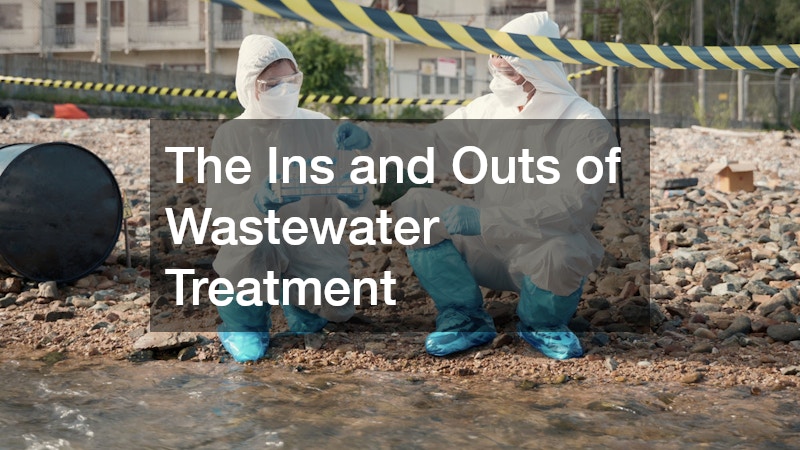

Wastewater, the byproduct of domestic, industrial, commercial, or agricultural activities, poses a significant environmental challenge. The most pressing issues stem from its volume and contamination, which include harmful chemicals and pathogens. Understanding the intricacies of wastewater is crucial for effective management and treatment solutions.
Domestic wastewater contains organic matter, nitrates, phosphates, and other pollutants that require attention. Industrial wastewater can be even more complex, with heavy metals, synthetic chemicals, and other hazardous substances.
Agricultural runoff contributes high levels of nutrients and pesticides, requiring tailored solutions in wastewater services.
Challenges in wastewater treatment include managing varying wastewater compositions, achieving regulatory compliance, and reducing environmental impacts. Innovative technologies and approaches are continuously being developed to improve efficiency and sustainability. Effective wastewater treatment is essential not only for health and safety but also for resource recovery and conservation efforts.
The Wastewater Treatment Process Explained
The process of wastewater treatment involves several critical steps to ensure that water is sufficiently cleaned before being discharged or reused. The journey begins with preliminary treatment, where large solids are removed to prevent damage to subsequent equipment. This stage lays the foundation for more detailed treatment processes.
Following preliminary treatment, primary treatment focuses on settling suspended solids and further reducing organic load. This step typically involves sedimentation tanks where gravity helps to separate solid and liquid components. The effectiveness of primary treatment influences the efficiency of subsequent processes.
Secondary treatment is more advanced, typically employing biological processes to digest organic pollutants. Microorganisms play a pivotal role, breaking down complex compounds into simpler substances. This stage significantly reduces biochemical oxygen demand (BOD) and total suspended solids (TSS), crucial components of effective wastewater services.
Advanced Techniques in Wastewater Treatment
Advancements in technology have introduced a range of techniques to enhance wastewater treatment efficiency. Tertiary treatment is a sophisticated step that targets remaining impurities, including nutrients, heavy metals, and residual pesticides. Filtration, chemical treatment, and membrane processes are commonly employed in this phase.
One innovative method is membrane bioreactor (MBR) technology, which combines biological treatment with membrane filtration. This technique offers high-quality effluent and a compact design, making it ideal for urban settings where space is limited. MBR and other advanced technologies contribute significantly to the goals of modern wastewater services.
Another modern approach is the use of constructed wetlands, which utilize natural processes to treat wastewater. These systems provide cost-effective and sustainable solutions, particularly in rural areas. By incorporating such methods, wastewater services can achieve more environmentally friendly outcomes while maintaining high standards of treatment.
Impact and Benefits of Efficient Wastewater Services
Effective wastewater treatment offers several critical benefits, including protecting public health and preserving water resources. By removing harmful contaminants and pathogens, treatment facilities help prevent waterborne diseases and safeguard ecosystems. The availability of safe water is essential for communities and industries alike.
Efficient wastewater services contribute to environmental sustainability by reducing pollution and enabling water reuse. As freshwater resources become increasingly scarce, the ability to recycle and reuse water becomes vital. Treated wastewater can be used in agriculture, industrial processes, and even replenishing natural water bodies.
In addition to environmental benefits, wastewater treatment facilities often contribute to energy recovery and nutrient recycling. Biogas produced during the treatment process can be harnessed for energy, while recovered nutrients can be used as soil enhancers. These practices not only promote sustainability but also present economic advantages.
Future Directions in Wastewater Treatment
The future of wastewater treatment is geared towards greater efficiency, sustainability, and innovation. Developing smart technologies that monitor and optimize treatment processes is a key focus area. Data-driven approaches can predict system performance and enable proactive management, aligning with the evolving demands of wastewater services.
Researchers are also exploring the potential of resource recovery from wastewater, viewing it as a valuable asset rather than a waste product. Extracting valuable materials like phosphorus and nitrogen could transform the economics of wastewater treatment. These innovations reflect the growing trend of circular economy principles in waste management.
Public awareness and regulatory frameworks will continue to shape the future landscape of wastewater treatment. As populations grow and industrial activities intensify, the demand for integrated and resilient wastewater services will increase. Emphasizing education and policy support is crucial in advancing the industry’s capabilities to meet future challenges.