
In today’s competitive marketplace, creating a pleasant and efficient work environment is crucial for both productivity and employee satisfaction. Commercial window tinting emerges as an innovative solution to various challenges faced by modern workplaces. By offering a blend of energy efficiency, improved comfort, and enhanced aesthetics, window tinting transforms ordinary workspaces into dynamic, appealing environments.
What are the Benefits of Commercial Window Tinting?
One of the standout benefits of commercial window tinting is its contribution to energy efficiency. Tinted windows can significantly reduce the amount of heat entering or leaving the building, thus lowering the reliance on heating and cooling systems. This reduction in energy consumption translates into cost savings on energy bills, a critical consideration for profit-oriented businesses. Additionally, by minimizing heat gain and loss, window tinting helps in creating a consistently comfortable indoor environment. As a result, it supports sustainability efforts, reducing the overall carbon footprint of the business.
Energy-efficient solutions are not only environmentally friendly but also financially prudent. Many businesses report substantial energy savings after installing commercial window tints, which provide an attractive return on investment over time. Such savings become evident during peak summer and winter months when temperature control is most challenging. By investing in high-quality window films, businesses can ensure enduring performance and cost benefits.
Improved Comfort
In the quest for improved workplace comfort, commercial window tinting proves to be a game-changer. Reducing glare is one of its primary functions, creating an environment where employees can work without the strain that bright sunlight can impose. Tinted windows help to regulate indoor temperatures more efficiently, alleviating discomfort and maintaining a pleasant atmosphere all year round. This enhanced comfort level leads to a marked increase in employee productivity and job satisfaction. Additionally, by controlling sunlight exposure, window tinting protects employees from potential health risks associated with prolonged UV exposure.
In terms of tangible benefits, reducing workplace distractions, such as glare on computer screens, ensures that employees can focus on tasks at hand without unnecessary interruptions. Considering the modern workplace often extends to remote workspaces, comfort becomes paramount in maintaining employee morale and efficiency. As businesses increasingly recognize the importance of the employee experience, implementing solutions like window tinting helps nurture a supportive, comfortable work environment. Plus, by promoting comfort throughout the office, window tinting helps reduce reliance on artificial lighting and climate control systems, further driving energy savings.
How Does Window Tinting Affect Office Aesthetics?
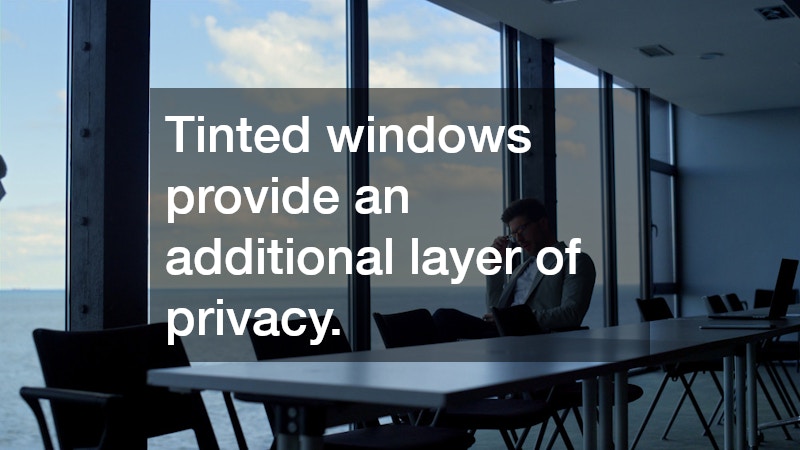
Privacy is a key concern for many businesses, and window tinting offers a practical solution without compromising on style or natural light. Tinted windows provide an additional layer of privacy by obscuring external views, which is particularly beneficial for ground-level offices or those in busy urban areas. This allows companies to maintain confidentiality and security, critical factors for both employee peace of mind and client trust. Yet, despite this added privacy, modern window films are designed to let in ample natural light, maintaining a vibrant yet discreet environment. Employees benefit from this balance between openness and privacy, leading to a more focused work atmosphere.
Moreover, the aesthetic appeal of a workspace can significantly influence both employee morale and client perceptions. Tinted windows contribute to a sleek and modern appearance, aligning with contemporary design trends. They support the architectural integrity of a building while offering subtle yet impressive insulation from the external environment. The resulting workspace is perceived as sophisticated and professional, leaving a lasting impression on visitors and clients. Effective privacy solutions, such as window tinting, demonstrate an organization’s attention to detail and commitment to fostering an exemplary office culture.
Modernization of Space
Updating a workspace to reflect modern trends and values is essential for attracting talent and clients alike. Commercial window tinting contributes to this modernization by transforming the look and feel of an office. The sleek, smooth surfaces of tinted windows offer a contemporary finish, seamlessly integrating with existing office designs. This sense of modernity extends beyond aesthetics; it also shows a company’s embrace of innovative solutions to traditional challenges. As businesses aim to stay competitive, incorporating modern design elements, such as window tinting, ensures relevance and appeal in an ever-evolving marketplace.
In addition to improving aesthetics, window tinting can also enhance the functionality of a space. It allows businesses to control the interior climate and light exposure more effectively, demonstrating an intelligent approach to office management. This adaptability is essential for creating versatile workspaces that cater to varying needs and preferences. By integrating such thoughtful design choices, businesses can support diverse working habits and foster an inclusive, empowering atmosphere. Plus, modernized spaces often boost employee morale, as people feel more inspired and motivated within a vibrant, contemporary environment.
Is Commercial Window Tinting a Cost-Effective Solution?
Evaluating the cost-effectiveness of commercial window tinting involves weighing initial investment against potential long-term savings. While upfront installation costs may seem significant, the reduction in energy expenditures quickly offsets this expense. Many companies report substantial savings on their heating and cooling bills post-installation, achieving full return on investment within a few years. The balance between cost and value is an important consideration when businesses aim for sustainability and fiscal responsibility. By adopting window tinting, companies not only cut costs but also support ongoing environmental initiatives.
Furthermore, financial considerations extend beyond simple energy savings. Reducing strain on HVAC systems prolongs their lifespan, diminishing maintenance and replacement costs over time. This indirect saving aligns with broader strategies to optimize operational expenses and improve profitability. As businesses face increasing overheads, adopting solutions that contribute to financial stability is imperative. By assessing the tangible and intangible benefits of window tinting, decision-makers can see the broader financial picture and invest confidently in future-ready infrastructure.
Commercial window tinting offers businesses an array of transformative benefits across comfort, efficiency, aesthetics, and cost savings. By effectively regulating indoor climates, providing UV protection, and enhancing privacy without sacrificing natural light, tinted windows significantly improve workplace environments. They demonstrate a company’s ongoing commitment to employee well-being while actively contributing to energy conservation and broader sustainability efforts.