
Small plumbing issues rarely stay small. What starts as a slow drain, a faint odor, or a minor leak can quickly spiral into a costly and disruptive problem if left unchecked. For property owners, the difference between a quick fix and a major repair often comes down to timing, specifically, how early you recognize the warning signs and take action.
The good news is that most serious plumbing problems are preventable. With a proactive approach, a bit of routine maintenance, and the right guidance, you can avoid emergencies, protect your property, and save thousands in repair costs.
This guide walks you through practical, step-by-step strategies to help you stay ahead of plumbing issues before they escalate.
Spot Early Warning Signs Before They Become Emergencies
One of the most effective ways to prevent major plumbing problems is learning how to recognize early warning signs. Many serious issues give subtle clues before turning into emergencies, but they are often overlooked or dismissed as minor inconveniences. Paying attention to these early indicators can help you intervene before the damage becomes extensive and expensive. Issues like a clogged drain may seem small at first, but they often point to buildup or blockages deeper within your plumbing system. Likewise, a backed up sewer can begin with faint odors or unusual noises before escalating into a full system failure. The earlier you identify these warning signs, the more options you have for simple and affordable solutions. Being proactive in this stage can save you from dealing with water damage, contamination, or structural issues later on.
- Slow-draining sinks, tubs, or showers
- Gurgling sounds when water flows
- Unpleasant odors coming from drains
- Water is backing up in unexpected places
Developing a habit of routinely checking your plumbing fixtures can make a big difference in catching problems early. Take a few minutes each week to run water in all sinks and tubs, paying attention to how quickly it drains and whether any strange sounds occur. Notice any changes in smell, as odors often signal hidden buildup or waste accumulation. If multiple fixtures show similar issues, it may indicate a larger system problem rather than an isolated clog. Acting early allows you to address the issue before it spreads and becomes more difficult to manage.
Build a Preventative Maintenance Routine That Actually Works
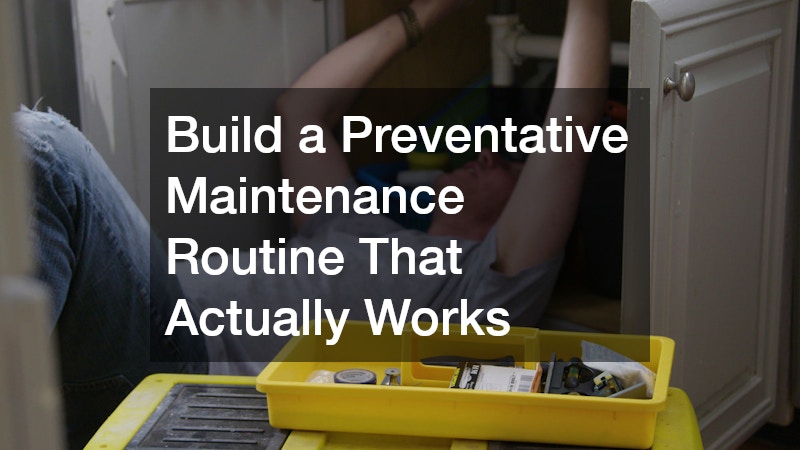
A strong preventative maintenance routine is one of the most reliable ways to avoid unexpected plumbing issues. Rather than waiting for something to break, consistent upkeep allows you to catch and correct small problems before they escalate. Many homeowners underestimate how quickly minor wear and tear can develop into significant damage when left unaddressed. Working with a trusted plumbing company ensures that your system is inspected regularly and maintained according to professional standards. For larger buildings or business properties, a local commercial plumbing service can help manage higher usage demands and more complex systems. Establishing a routine not only improves the longevity of your plumbing but also reduces the likelihood of emergencies. Over time, this approach leads to fewer disruptions and more predictable maintenance costs.
Monthly tasks:
- Check under sinks for leaks or moisture
- Inspect exposed pipes for corrosion
- Test water pressure in faucets and showers
Quarterly tasks:
- Clean drains using safe methods
- Inspect appliance connections
- Look for signs of hidden leaks
Annual tasks:
- Schedule a full professional inspection
- Evaluate system performance and efficiency
Consistency is what makes a maintenance routine effective. Even simple checks, when done regularly, can reveal patterns or early-stage issues that might otherwise go unnoticed. Keeping a written or digital schedule helps ensure that nothing is overlooked throughout the year. It also allows you to track recurring issues and address them more strategically. By staying organized and proactive, you create a system that works for you instead of reacting when problems arise.
Keep Drains Clear With Smart Everyday Habits
Daily habits play a major role in the health of your plumbing system, especially when it comes to preventing buildup and blockages. Many clogs develop gradually over time due to common household materials like grease, soap residue, and hair. While these substances may seem harmless in small amounts, they can accumulate and restrict water flow significantly. When left untreated, these issues may require professional clogged sewer services to fully resolve. Practicing better habits can reduce strain on your pipes and keep water flowing smoothly. Simple changes in how you use your sinks, showers, and disposal systems can make a noticeable difference. Over time, these habits become second nature and help prevent recurring issues.
- Avoid pouring grease or oil down drains
- Use screens to catch debris and hair
- Flush drains regularly with hot water
- Dispose of food waste in the trash instead of the sink
Taking preventative action doesn’t require expensive tools or complicated processes. Small adjustments, like installing drain covers or rinsing pipes with hot water, can go a long way in maintaining clear lines. If you notice frequent issues with a clogged drain, it’s important to address it early rather than relying on temporary fixes. Persistent clogs often indicate a deeper problem that needs professional attention. Staying consistent with these habits helps reduce the likelihood of more serious plumbing complications.

Protect Your Sewer Line From Costly Failures
Your sewer line is one of the most important components of your plumbing system, yet it’s often out of sight and out of mind. Because it handles all wastewater from your property, any damage or blockage can have serious consequences. A backed-up sewer can disrupt daily life, create health hazards, and lead to expensive repairs if not addressed quickly. Factors like aging pipes, shifting soil, and tree root intrusion can all contribute to sewer line damage. Without proper care and monitoring, these issues can develop silently over time. Understanding how to protect your sewer line is essential for preventing large-scale problems. Taking preventative steps now can help you avoid significant disruptions later.
- Avoid planting trees near underground pipes
- Only flush approved materials
- Monitor your yard for unusual wet spots or odors
Regular inspections are key to identifying sewer line issues before they escalate. Professional clogged sewer services can use specialized equipment to assess the condition of your pipes without invasive digging. This allows for targeted repairs that are more efficient and cost-effective. By staying proactive and addressing small issues early, you reduce the risk of major system failures. Protecting your sewer line ultimately protects your entire property.
Don’t Ignore Your Water Heater Maintenance Needs
Your water heater is one of the hardest-working systems in your home, yet it often receives the least attention. Over time, sediment buildup, wear on components, and general aging can reduce its efficiency and reliability. Ignoring routine maintenance can lead to unexpected breakdowns and the need for costly water heater repairs. Whether you have a traditional unit or one of the newer tankless water heaters, regular upkeep is essential for optimal performance. Maintenance not only extends the lifespan of your system but also ensures consistent access to hot water. Small issues, if left unresolved, can quickly escalate into major failures. Staying ahead of maintenance helps you avoid inconvenience and unexpected expenses.
- Flush the tank annually to remove sediment
- Inspect for leaks, rust, or corrosion
- Check temperature settings and performance
Routine maintenance doesn’t have to be complicated, but it does need to be consistent. Scheduling annual inspections can help identify problems before they worsen. If you notice fluctuating water temperatures or unusual noises, it’s important to investigate further. Addressing these issues early can prevent sudden system failure. Keeping your water heater in good condition ensures reliable performance and peace of mind.
Upgrade Strategically to Avoid Future Plumbing Issues
Upgrading your plumbing system can be a smart way to prevent future problems and improve overall efficiency. Older systems are more prone to leaks, corrosion, and breakdowns, especially if they haven’t been properly maintained. Modern solutions, such as tankless water heaters, offer improved performance and reduced risk of failure. These systems provide hot water on demand and eliminate the need for bulky storage tanks. Working with a professional tankless water heater installer ensures that your upgrade is completed correctly and tailored to your property’s needs. Strategic upgrades not only enhance functionality but also add long-term value to your property. Taking the time to evaluate your system can help you make informed decisions about improvements.
- Assess the age and condition of your current system
- Consider energy efficiency and long-term savings
- Choose experienced professionals for installation
Planning ahead is key when it comes to upgrades. Rather than waiting for a system to fail, consider replacing aging components before they become problematic. This approach minimizes downtime and allows for a smoother transition to newer technology. Investing in modern plumbing solutions can reduce maintenance needs and improve overall reliability. Over time, these upgrades can lead to significant cost savings and fewer unexpected issues.
Maintain Your Septic System to Prevent Major Disruptions
For properties that rely on septic systems, proper maintenance is essential to avoid serious complications. Unlike municipal sewer systems, septic systems require regular care to function effectively. Without proper attention, they can become overloaded or clogged, leading to unpleasant and potentially hazardous conditions. Regular septic pumping service is critical for removing buildup and keeping the system operating efficiently. Ignoring this maintenance can result in backups, contamination, and costly repairs. Understanding how your septic system works helps you make better decisions about its care. Staying proactive ensures that your system continues to perform as expected.
- Schedule pumping every 3-5 years depending on usage
- Avoid flushing non-biodegradable materials
- Monitor water usage to prevent overload
Maintaining a septic system requires consistency and awareness. Small actions, like being mindful of what goes down your drains, can have a big impact on system performance. If you notice slow drains or unusual odors, it may be time to schedule service. Addressing issues early helps prevent larger problems that could disrupt your property. With proper care, your septic system can operate efficiently for many years.

Know When to Call for Immediate Professional Help
Even with the best preventative measures, there are times when professional help is necessary. Recognizing when to act quickly can prevent further damage and reduce repair costs. Situations like burst pipes, severe leaks, or flooding require immediate attention from an emergency plumber. Delaying action in these cases can lead to structural damage and additional complications. Having a reliable plumbing company available ensures that you can respond quickly when issues arise. Knowing what to do in the moment can make a significant difference in the outcome. Preparation is key to handling emergencies effectively.
- Shut off the main water supply immediately
- Turn off electricity in affected areas if safe
- Remove valuable items from the area
Being prepared for emergencies helps you stay calm and act efficiently. Keep important contact numbers accessible so you can reach professionals quickly. Familiarize yourself with your property’s shut-off valves and basic plumbing layout. Taking these steps in advance ensures that you’re ready to respond when needed. Quick action can limit damage and make the repair process more manageable.
Prevent Plumbing Problems in Rental or Commercial Properties
Managing plumbing systems in rental or commercial properties requires a proactive and organized approach. With multiple occupants using the same systems, wear and tear can occur more quickly than in a single-family home. A local commercial plumbing service can help property owners implement maintenance strategies that address these higher demands. Regular inspections and timely repairs are essential for keeping systems running smoothly. Educating tenants or employees about proper usage can also prevent common issues. Clear communication and consistent maintenance reduce the risk of major disruptions. Taking a preventative approach benefits both property owners and occupants.
- Provide guidelines for proper plumbing use
- Schedule routine inspections for shared systems
- Address minor issues before they escalate
Staying proactive in these environments helps maintain property value and tenant satisfaction. When systems are well-maintained, there are fewer complaints and less downtime. Keeping detailed records of maintenance and repairs can also help identify recurring problems. This allows for more targeted solutions and long-term improvements. A well-managed plumbing system supports the overall success of the property.
Build a Long-Term Strategy to Keep Your Plumbing System Running Smoothly
Preventing major plumbing problems requires more than occasional maintenance-it involves creating a long-term strategy that keeps your entire system in check. By working with a trusted plumbing company, you can develop a plan that includes routine inspections, timely upgrades, and ongoing care. Addressing small issues early reduces the need for extensive water heater repairs and other costly fixes. A proactive approach allows you to budget more effectively and avoid unexpected expenses. Over time, this strategy helps maintain the reliability and efficiency of your plumbing system. Consistency and planning are key to long-term success.
- Schedule annual system evaluations
- Keep records of past repairs and maintenance
- Plan for future upgrades as systems age
A long-term approach provides peace of mind and greater control over your property’s maintenance needs. Instead of reacting to problems, you’re actively preventing them from occurring. This not only saves money but also reduces stress and inconvenience. By staying organized and committed to regular upkeep, you create a system that supports your property for years to come.