
Backyard living spaces have evolved far beyond a simple patio and patch of grass. Today, homeowners are increasingly looking at their outdoor areas as extensions of the home—places where relaxation, entertainment, and everyday living all come together in one cohesive environment. At the center of this transformation is the growing expectation that pools, patios, gardens, and lounge areas should not feel like separate projects, but rather parts of a unified design.
This is where coordination becomes essential. When multiple elements are planned together from the start, the result is a space that feels intentional, functional, and visually balanced. When they are not, homeowners often end up dealing with awkward layouts, drainage issues, and costly redesigns that could have been avoided.
This article explores how professionals align construction and outdoor design to create seamless backyard environments that are both beautiful and practical.
1. Creating a Cohesive Backyard Vision from the Start
A successful outdoor living space begins with a complete vision rather than isolated ideas. Instead of thinking in terms of individual features, homeowners benefit from imagining how each area will interact with the others.
One of the most important early steps involves considering how water, structure, and green space will work together. This is where pool design services play a critical role. These services help translate lifestyle goals into a practical layout, ensuring that swimming areas, seating zones, and walkways are positioned logically.
Equally important is the role of landscaping in shaping the overall flow of the yard. Landscaping is not just decorative—it defines movement, creates privacy, and establishes visual balance between built and natural elements.
Key planning considerations include:
- Where sunlight hits throughout the day
- How guests will move between spaces
- Where shade and seating will be most comfortable
- How water features will affect the surrounding plant life
- Long-term maintenance requirements
When these elements are considered early, the entire project becomes easier to execute and more enjoyable to use.
2. Selecting Experienced Professionals for Early Coordination
Choosing the right professionals at the beginning of a project can significantly reduce complications later on. A skilled pool builder helps ensure that structural decisions align with both design goals and property limitations.
Working alongside a pool contractor’s team early in the process also helps identify potential challenges such as soil conditions, access points, and utility placement. When these factors are addressed up front, construction delays are far less likely.
Important questions to ask before hiring include:
- How do you coordinate with other outdoor design teams?
- What is your process for managing layout changes?
- How do you handle unexpected site conditions?
- Can you provide examples of integrated outdoor projects?
Clear communication between all parties involved is essential for keeping the project aligned from start to finish.
3. The Value of Tailored Backyard Design Solutions
No two properties are exactly alike, which is why customization plays such an important role in outdoor living projects. Custom pool builders specialize in adapting designs to fit the unique shape, slope, and style of each yard, rather than forcing a standard layout into a non-standard space.
In many cases, pool companies work alongside designers and engineers to ensure that the pool complements the surrounding environment rather than overpowering it. This collaboration helps maintain balance between function and aesthetics.
Benefits of custom design include:
- Better use of available space
- Improved visual harmony with the home
- Increased property value
- More efficient traffic flow around outdoor areas
- Greater flexibility for future upgrades
When customization is prioritized, the backyard becomes a personalized extension of the home rather than a generic installation.
4. Coordinating Structural Layout and Excavation Planning
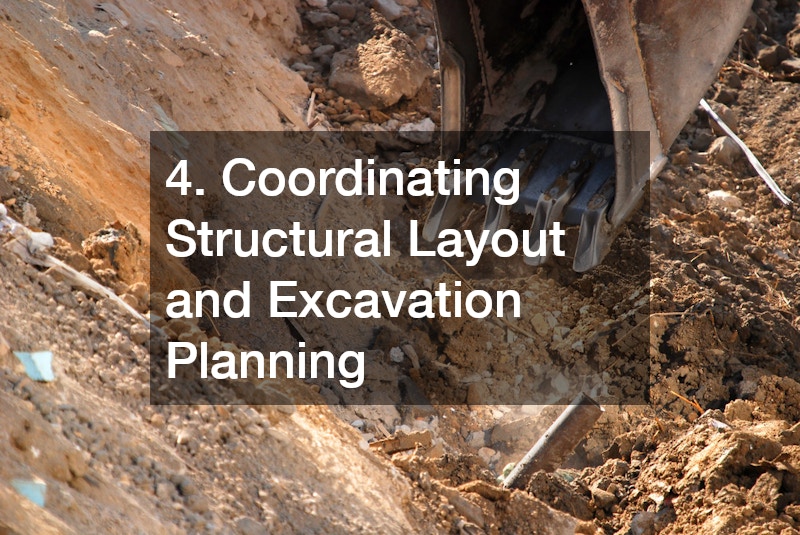
One of the most critical phases in any backyard transformation involves excavation and structural preparation. Proper planning is especially important when installing in-ground pools, as they require precise grading and careful site analysis.
A local swimming pool contractor often plays a key role in evaluating soil conditions, drainage patterns, and access limitations. These factors directly influence how the pool will be positioned and how surrounding features will be built.
Key coordination steps include:
- Conducting soil stability testing
- Mapping underground utilities
- Planning drainage direction away from structures
- Ensuring equipment access for excavation
- Aligning pool placement with outdoor living zones
Without proper coordination at this stage, even well-designed projects can face structural or drainage issues later.
5. Building Balance Between Hardscape and Natural Elements
A visually appealing outdoor space relies on the balance between built structures and natural elements. Hardscape features like patios, retaining walls, and pathways must work in harmony with plant life to avoid a fragmented appearance.
Landscaping plays a major role in softening structural edges and creating natural transitions between zones. When done correctly, it guides the eye through the yard while enhancing privacy and comfort.
At the same time, pool design services help ensure that hardscape materials complement the pool’s shape, finish, and surrounding environment.
Practical design strategies include:
- Using consistent materials across patios and walkways
- Layering plants of different heights for depth
- Creating shaded zones with natural or structural elements
- Aligning stone textures with pool finishes
- Designing focal points to anchor visual interest
The goal is to create a seamless experience rather than a collection of separate features.
6. Designing Relaxation-Focused Water and Comfort Features
Outdoor living spaces are no longer limited to swimming alone. Many homeowners now want multi-functional environments that include relaxation and entertainment features.
Adding a hot tub installation to a backyard design introduces a dedicated relaxation zone that can be used year-round. Placement is important, as it should provide privacy while still feeling connected to the main outdoor area.
A pool builder can help integrate these features so that the transition between pool and spa feels natural rather than segmented.
Design considerations include:
- Proximity to the main pool for easy access
- Privacy from neighboring properties
- Electrical and plumbing requirements
- Lighting for nighttime use
- Seating and lounging integration nearby
When water and relaxation features are thoughtfully combined, the backyard becomes a true retreat.
7. Designing for Low-Maintenance Outdoor Environments
Maintenance is one of the biggest concerns for homeowners investing in outdoor living spaces. Choosing materials and layouts that reduce upkeep can significantly improve long-term satisfaction.
Artificial turf has become a popular solution for homeowners who want the look of grass without the constant watering, mowing, or fertilizing. It provides a clean, consistent appearance year-round and holds up well in high-traffic areas.
Landscaping design also plays a role in reducing maintenance demands. Strategic plant selection and irrigation planning can significantly reduce long-term care requirements.
Practical low-maintenance strategies include:
- Installing drought-resistant plant varieties
- Using artificial turf in high-use zones
- Designing efficient irrigation systems
- Minimizing narrow or hard-to-reach planting beds
- Choosing durable outdoor materials
By planning for maintenance early, homeowners can enjoy their outdoor spaces with less ongoing effort.
8. Coordinating Construction Phases Across Multiple Teams
Large backyard projects often involve multiple professionals working in sequence. Proper coordination between pool contractors and other teams is essential to ensure smooth progress.
Similarly, pool companies often manage different stages of construction, from excavation to finishing, while ensuring that each phase aligns with the overall design plan.
Effective coordination practices include:
- Establishing a clear project timeline
- Scheduling overlapping work carefully
- Maintaining consistent communication between teams
- Reviewing design updates before implementation
- Monitoring progress at each stage
Without strong coordination, delays and rework can quickly increase costs and extend timelines.
9. Improving Flow and Function in Outdoor Living Spaces
A well-designed backyard should feel intuitive to navigate, almost like the space guides movement on its own. Every space should serve a purpose while connecting naturally to the next, reducing confusion and eliminating “dead zones” where areas exist but aren’t truly usable. When circulation is thoughtfully planned, the backyard becomes more comfortable for both everyday use and entertaining, because guests instinctively understand where to go and how to move through the environment.
Pool design services are essential in ensuring that swimming areas, lounging spaces, and walkways are arranged for optimal flow. This includes considering sightlines from the home, how people transition from indoor to outdoor areas, and how wet and dry zones interact. When these elements are properly aligned, the yard feels larger and more functional because there is no visual or physical clutter disrupting movement. Even smaller backyards can feel spacious when the layout encourages natural circulation rather than forcing tight or awkward pathways.
Custom pool builders often focus on tailoring these layouts to fit lifestyle needs, whether that means entertainment spaces, family-friendly zones, or quiet retreats. For example, a family with children may prioritize direct visibility from seating areas to the pool, while someone who frequently entertains may want a smoother connection between outdoor dining areas and the main gathering space. These decisions influence not only comfort but also how often and how easily the space is actually used.
Design tips for better functionality include:
- Creating clear pathways between zones using consistent materials or visual cues so movement feels guided rather than accidental
- Positioning seating areas near focal points such as water features or garden elements to encourage natural gathering and conversation
- Designing shaded areas for comfort by incorporating pergolas, umbrellas, or natural tree cover in high-use zones
- Ensuring visibility across key spaces so that different activity areas remain visually connected for safety and social interaction
- Balancing open space with defined areas to avoid overcrowding while still giving each zone a clear purpose
The result is a backyard that feels easy to use and naturally organized, where each area supports the next and the entire environment works together as a cohesive outdoor living experience.
10. Long-Term Planning and Investment Considerations
Outdoor living spaces are long-term investments, and planning for future value is just as important as immediate enjoyment. Installing in-ground pools often increases property appeal, especially when they are integrated into a well-designed landscape. The key difference between a basic installation and a high-value outdoor environment is how well the entire space functions as a unified system over time, rather than as separate features added in stages.
A pool builder can help homeowners understand how design choices impact long-term maintenance, resale value, and usability. For example, the placement of the pool relative to shade structures, drainage flow, and high-traffic pathways can significantly affect how much upkeep is required year after year. Poor placement can lead to issues like debris accumulation, uneven wear on surrounding surfaces, or increased chemical usage due to excessive sun exposure. On the other hand, a well-planned layout reduces strain on both the pool system and the surrounding environment.
Thoughtful planning ensures that the space remains functional and attractive for years to come. This includes anticipating how the yard will be used as household needs change over time, such as growing families, entertaining more guests, or adding new outdoor features. It also means selecting materials and systems that can withstand seasonal weather changes without frequent repairs or replacement.
Key financial planning considerations include:
- Anticipating maintenance and upkeep costs, including water treatment, surface cleaning, and equipment servicing over the lifespan of the project
- Choosing durable, long-lasting materials that resist fading, cracking, or weather-related deterioration reduces the need for early replacements
- Planning for future upgrades or expansions, such as additional seating areas, water features, or enhanced lighting systems, without requiring major reconstruction
- Considering energy-efficient systems like variable-speed pumps, LED lighting, and optimized filtration setups to reduce ongoing utility expenses
- Balancing budget with long-term value by prioritizing investments that may cost more upfront but significantly reduce lifetime ownership costs
When approached strategically, outdoor living projects become lasting investments rather than short-term improvements. Over time, a well-integrated design not only maintains its functionality and appearance but can also strengthen curb appeal and marketability, making the property more competitive and desirable in the real estate market.
Conclusion
Creating a cohesive outdoor living space requires more than just installing individual features. It demands thoughtful coordination, careful planning, and collaboration between multiple disciplines. When structure, design, and natural elements are aligned from the beginning, the result is a backyard that is both highly functional and visually unified.
Homeowners who invest time in planning and work with experienced professionals are far more likely to achieve outdoor spaces that enhance daily living while also increasing long-term property value.