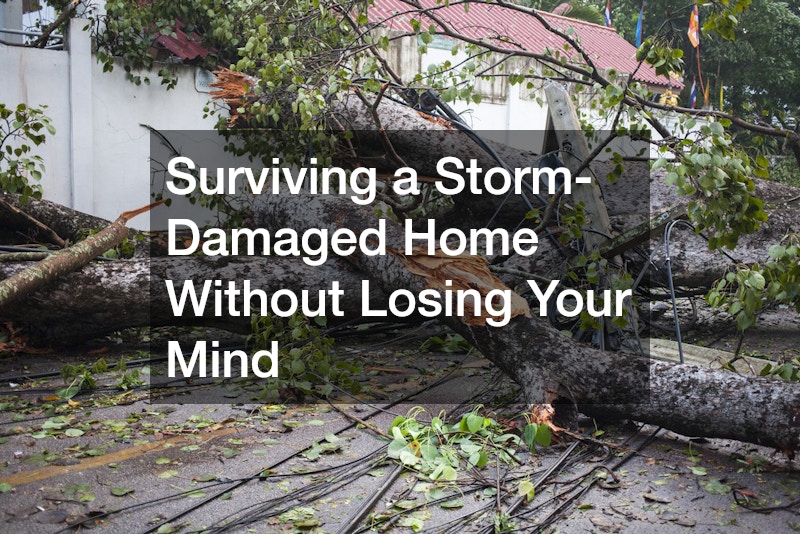

A bad storm can turn your home upside down in a matter of hours, leaving you with a soggy basement, missing shingles, and a to-do list that feels impossible to tackle. Between insurance calls, contractor estimates, and cleanup, it is easy to feel overwhelmed before you even start the first repair. The good news is that most storm recovery follows a predictable order, and knowing what to check first can save you time, money, and stress. This guide walks through the practical steps homeowners can take to assess damage, prioritize repairs, and get their household back to normal without losing their sanity along the way.
Assessing Structural Damage Before You Touch Anything
Before you start cleaning up or calling contractors, walk the exterior of your home and take photos of everything you see, including downed branches, dented siding, and loose gutters. This documentation matters for insurance claims, but it also gives you a clearer picture of how serious the damage actually is. Look for cracks in the exterior walls, sagging areas of the roofline, or doors and windows that suddenly do not close properly, since these can signal deeper structural issues.
Do not assume that cosmetic damage is the only damage. Water intrusion and wind stress often affect the parts of a house you cannot see just by glancing at the yard, so a more thorough inspection is worth the time. Check attics, basements, utility rooms, and ceilings for stains, dampness, or unusual movement. Even a small amount of moisture may indicate that rain entered through damaged flashing, siding, roofing, or another vulnerable area.
If you suspect serious structural instability, avoid entering damaged portions of the home until they have been evaluated. A wall, ceiling, porch, or roof section that appears partially collapsed may shift without warning. Taking a cautious approach can prevent injuries while also helping preserve the scene for insurance documentation.
- Check for standing water near the foundation or in the yard
- Look at fence lines and sheds for shifted or collapsed sections
- Note any smell of gas, mildew, or standing moisture indoors
- Photograph damage from multiple angles before cleanup begins
Checking the Foundation for Cracks and Shifting
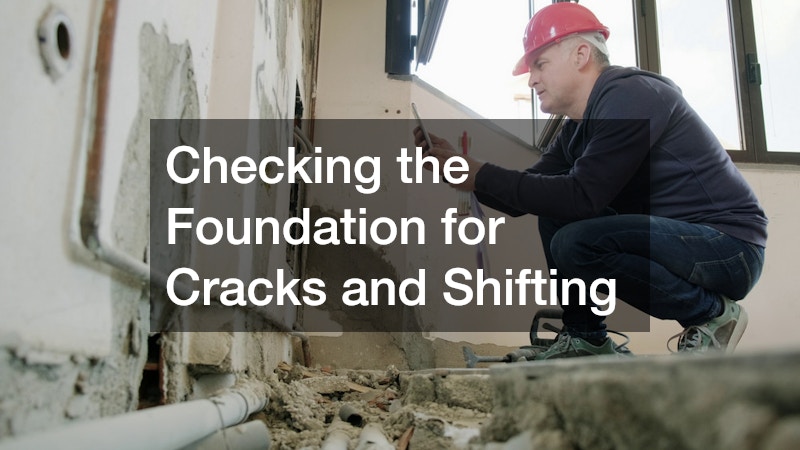
Heavy rain and flooding put enormous pressure on a home’s foundation, and even a sturdy slab can develop hairline cracks or uneven settling after a severe storm. Walk the perimeter of your house and look for new gaps around the foundation line, doors that stick, or floors that suddenly feel uneven underfoot. These signs do not always mean disaster, but they are worth having evaluated sooner rather than later.
Pay attention to how water drains around the property as well. Soil erosion, washed-out landscaping, or newly formed low spots can change the way rainwater moves toward the house. If water repeatedly collects near the foundation after the storm, additional drainage improvements may be needed to prevent future settling or moisture problems.
If the damage looks more serious than a surface crack, it is worth calling a foundation repair company to get a professional opinion before you patch anything yourself. Foundation issues tend to get more expensive the longer they sit, and a trained eye can tell the difference between minor settling and a problem that threatens the whole structure. Keeping photos of cracks over time may also help you determine whether they are stable or continuing to expand.
Handling Crawlspace Flooding and Moisture Problems
Crawlspaces are often the last place homeowners think to check after a storm, yet they are frequently the first place water collects. Standing water under your home can lead to mold growth, wood rot, and pest infestations if it is not addressed within the first few days. A musty smell coming from your floor vents is usually the first clue that something is wrong beneath the house.
If you notice sagging floors, loose insulation, or visible water lines on the crawlspace walls, it is time to bring in someone who specializes in crawlspace repair. Fixing the moisture source and drying out the space properly now can prevent a much bigger and costlier repair down the road.
Look for pooling water or damp insulation under the home
- Check for a musty or earthy smell inside the living space
- Inspect support beams for warping or soft spots
- Watch for a sudden increase in indoor humidity
Repairing Uneven Concrete Walkways and Slabs
Storms with heavy rain can wash out soil beneath driveways, patios, and walkways, causing sections of concrete to sink or tilt. This is not just a cosmetic issue, as uneven slabs create tripping hazards and can direct water toward your foundation rather than away from it. If you notice a slab that has dropped an inch or more compared to its neighbor, that is a sign the ground underneath has shifted.
Rather than tearing out and replacing the concrete entirely, many homeowners are surprised to learn that a concrete leveling company can often lift and stabilize the existing slab for a fraction of the cost. This process fills voids beneath the concrete and raises it back to a level position, which also helps redirect water away from your home’s foundation going forward.
Clearing Debris and Managing Storm Waste Safely
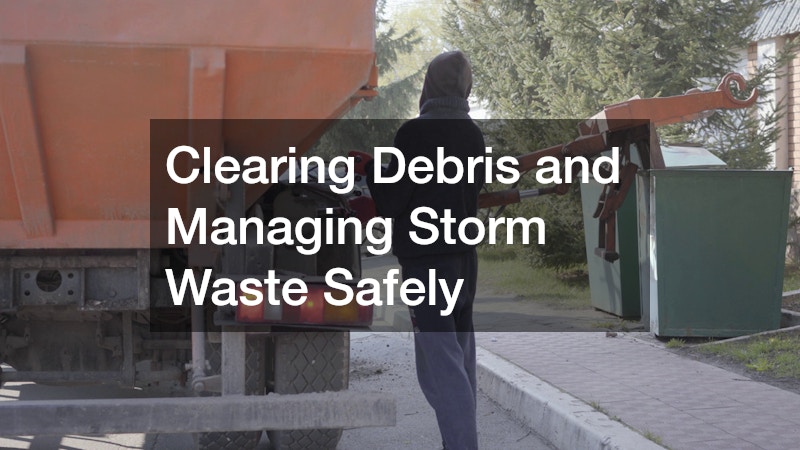
After the immediate danger has passed, the sheer volume of debris can feel overwhelming. Tree limbs, ruined furniture, waterlogged drywall, and torn roofing material pile up fast, and trying to haul it all yourself in a pickup truck is rarely efficient. Separating debris into categories as you go, such as yard waste, construction material, and household trash, makes the cleanup process faster and safer.
For larger cleanups, renting a dumpster is often the most practical solution, since dumpster rental services let you fill a container over several days without making repeated trips to the landfill. Many companies offer different sizes depending on how much debris you are dealing with, so it helps to estimate the scope of the mess before you order one.
- Wear gloves and sturdy shoes when handling wet debris
- Keep pathways clear to avoid tripping hazards
- Separate hazardous materials like soaked insulation or chemicals
- Check local rules on debris disposal after a declared disaster
Clearing Out Damaged Belongings and Ruined Furniture
Storm damage does not just affect the structure of your home; it often ruins furniture, carpeting, and personal belongings that soaked up water or were crushed by falling debris. Sorting through these items is emotionally draining, but holding onto waterlogged furniture too long can encourage mold growth that spreads to unaffected areas. Take photos of damaged items for insurance purposes before you get rid of anything.
Create a basic inventory as you work through each room. Recording the item, approximate age, condition, and visible damage can help keep the insurance process organized. Receipts, photographs taken before the storm, and online account records may also help establish ownership or replacement value for expensive belongings.
Once you have documented the losses, a junk removal service can clear out bulky, damaged items much faster than trying to manage it alone. This frees up space to start drying out rooms and beginning repairs, which is especially important if you are dealing with wet carpet or drywall that needs to come out quickly to prevent mold. Prioritizing saturated materials also makes it easier for fans and dehumidifiers to circulate air throughout the affected area.
Replacing a Damaged Roof After High Winds and Hail
Roofs take the brunt of most storms, and even damage that looks minor from the ground can mean missing shingles, cracked flashing, or a compromised underlayment. Hail can bruise shingles in ways that are not obvious right away but shorten the roof’s lifespan significantly. If you notice water stains on your ceiling in the days following a storm, that is a strong sign your roof has been compromised.
Other warning signs include shingles scattered in the yard, exposed sections of roof decking, damaged vents, bent gutters, and granules collecting near downspouts. Homeowners should avoid climbing onto a potentially damaged roof themselves because wet surfaces, loose materials, and hidden weak spots create serious fall hazards.
Getting a professional assessment quickly matters because storm damage repair on a roof is time-sensitive, especially if more rain is expected. Waiting too long can turn a manageable repair into a full roof replacement, so it is worth scheduling an inspection even if the damage seems minor at first glance. Exploring roofing solutions early on gives you options before a small issue turns into a major expense. Temporary coverings may also help limit additional water intrusion while permanent repairs are being scheduled.

Addressing Flat Roof Damage on Additions and Garages
Flat or low-slope roofs, common on additions, garages, and porches, handle water differently than a traditional pitched roof, and they are especially vulnerable to pooling after heavy rain. Ponding water that does not drain within 48 hours can seep through seams and cause interior leaks that are hard to trace back to their source. These roofs also tend to show damage differently, with bubbling or soft spots rather than obviously missing material.
Storm debris can make drainage problems worse by blocking roof drains, scuppers, or gutters. Even leaves and small branches can slow water movement enough to create persistent pooling. Looking for stains along ceilings and walls beneath a flat roof can help identify areas where moisture may already be entering the structure.
Because flat roofs require different materials and techniques than sloped ones, it makes sense to bring in flat roofing contractors who understand membrane systems and proper drainage design. Attempting a patch job with the wrong materials often leads to repeat leaks, so getting the right expertise here saves both time and future headaches. An inspection can also determine whether drainage improvements should be made while repairs are underway.
Replacing Broken Windows and Improving Storm Resistance
Shattered or cracked windows are one of the most common storm casualties, and they need attention quickly since they compromise both security and energy efficiency. Beyond the visible glass damage, check the surrounding frame for warping or water intrusion, which can indicate the seal has failed even if the glass itself looks fine. Leaving a damaged window unaddressed invites more water damage during the next round of bad weather.
Temporary coverings can help protect the opening until replacement is possible, but they should be installed carefully to avoid causing additional frame or siding damage. Inside the home, check window sills, flooring, curtains, and nearby drywall for moisture. Drying those areas promptly can help prevent staining, swelling, and mold growth.
When it is time to replace them, window installation allows you to upgrade to impact-resistant glass or better insulated frames, which can reduce damage risk in future storms. It is also a good time to compare warranties and materials, since not all replacement windows offer the same level of protection against wind-driven rain. Homeowners in areas that regularly experience severe weather may benefit from considering stronger glass, reinforced frames, or improved exterior protection.
Sourcing Materials and Rebuilding After Major Repairs
Once the assessment and cleanup phases are behind you, rebuilding requires sourcing the right supplies for the job, whether that is shingles, drywall, or framing lumber. Supply shortages are common after widespread regional storms, so it helps to order early and confirm availability before demolition begins on any major repair. Working with a knowledgeable supplier can also help you match new materials to your home’s existing style and code requirements.
Quality building materials make a real difference in how long your repairs last, especially for exterior work exposed to weather again soon. It is worth asking your contractor about warranties on both labor and materials, since a mismatched or lower-grade product can shorten the life of an otherwise solid repair.
Recovering from storm damage is rarely a quick process, but breaking it down into manageable steps makes it far less overwhelming. Start with a thorough assessment, tackle safety issues first, and bring in the right specialists for structural, roofing, and foundation concerns rather than trying to handle everything yourself. Keep detailed records for insurance, and permit yourself to take the process one repair at a time. With a clear plan and the right help, your home and your peace of mind can both be restored.