
Owning a home with a spacious yard and welcoming porch sounds idyllic until the first warm weekend of spring arrives. Instead of relaxing outside, most homeowners spend Saturday mornings scraping flaking paint off trim, power-washing mildew from wooden boards, yanking weeds from walkway cracks, and hauling ladders to clear soggy leaves from gutters. Left unchecked, minor chores snowball into expensive structural repairs, rotted framing, and premature material failure.
Transitioning to a low-maintenance exterior does not mean paving over your yard or stripping away architectural charm. Rather, it requires adopting a durability-first mindset—investing in synthetic materials, engineered hardscapes, automated systems, and protective barriers that eliminate repetitive seasonal labor. By targeting trouble spots around your perimeter where moisture, ultraviolet rays, and organic debris cause the most wear, you can reclaim dozens of weekend hours every year while boosting property value.
Swap Annual Staining and Splintering Timber for Capped Composite Boards

Pressure-treated pine and cedar remain popular choices for elevated backyard platforms, yet they carry an exhausting maintenance tax. Exposed to scorching sun, driving rain, and winter freezes, natural lumber inevitably dries out, warps, checks, and splinters. Keeping wood safe requires stripping old finishes, power-washing algae, sanding raised grain, and applying fresh stain or sealer every two to three years.
Capped composite and cellular PVC decking boards eliminate surface refinishing. Made from polymer-wrapped wood fibers or 100% synthetic resin, modern boards resist fading, staining, moisture, and insects. Routine upkeep drops to washing with mild soap, water, and a soft brush twice a year. Upgrade supporting hardware simultaneously to maximize longevity:
- Hidden Fastener Systems: Clip fasteners anchor boards through grooved edges, eliminating exposed screw heads, popped nails, and moisture entry points on the walking surface.
- Powder-Coated Aluminum Railings: Unlike wood balusters requiring hand-painting, factory-finished aluminum rail systems resist rust and peeling while wiping clean with a damp cloth.
- Joist Flashing Tape: Self-adhering butyl tape over framing joists seals screw holes against rainwater, extending substructure life for decades.
Even durable synthetic planks fail prematurely if the underlying frame is poorly ventilated or improperly anchored. Partnering with an experienced deck contractor ensures your project includes code-compliant ledger flashing against the siding, precise joist spacing for composite expansion, and adequate ground clearance so trapped moisture never rots the frame from underneath.
Block Windblown Leaves, Pollen, and Grime by Enclosing Lounging Zones
An open back porch looks inviting in photos, yet it acts as a catch-all trap for windblown debris. Spring pollen coats cushions, autumn leaves pile into corners, and storms blow mud across outdoor rugs. Homeowners often spend thirty minutes hosing furniture and sweeping floors before sitting outside.
Enclosing a covered porch or building a sheltered perimeter stops outdoor grime before it settles. Modern screen rooms and patios rely on corrosion-resistant extruded aluminum framing paired with high-tensile fiberglass or polyester mesh that resists sagging, tearing, and UV degradation. Three upgrades make enclosed outdoor rooms effortless to maintain:
- Removable Vinyl-Glazed Panels: Track-mounted clear vinyl panels slide shut during pollen bursts or autumn rain, keeping interiors spotless without the weight of insulated glass.
- Pet-Resistant Lower Screening: Thicker vinyl-coated polyester mesh along the lower rail prevents pets and flying twigs from puncturing screens.
- Porcelain Tile or Composite Flooring: Non-porous porcelain pavers or synthetic planks clean up dust and pollen in seconds with a cordless leaf blower or damp mop.
Ditch Weed-Filled Paver Joints and Mulch Washouts for Seamless Poured Surfaces
Interlocking brick pavers, flagstone walkways, and pea-gravel seating areas look charming when installed, yet they harbor hidden seasonal chores. Rain erodes joint sand, frost heaves stones out of alignment, and weeds sprout in every crevice—forcing hours of re-leveling, sand reapplication, and mulch replenishment after heavy storms.
Replacing fragmented surfaces with continuous, monolithic concrete patios removes thousands of linear feet of weed-prone seams in one stroke. Because there are no gaps between units, grass runners cannot creep into your entertaining space, and heavy furniture or fire pits sit stably without wobbling. Modern finishing techniques customize the look without sacrificing durability:
- Broom and Trowel Textures: A light broom finish provides slip resistance around pools while letting leaves and spills rinse off easily with a garden hose.
- Stamped and Colored Patterns: Integral pigments and textured mats mimic slate or cobblestone while keeping a seamless, weed-proof surface.
- Exposed Aggregate Finishes: Revealing smooth river pebbles embedded in the mix disguises minor dust, leaf stains, and patio furniture scuffs between seasonal rinses.
Prevent Premature Cracking and Surface Spalling Through Proper Sub-Base Prep
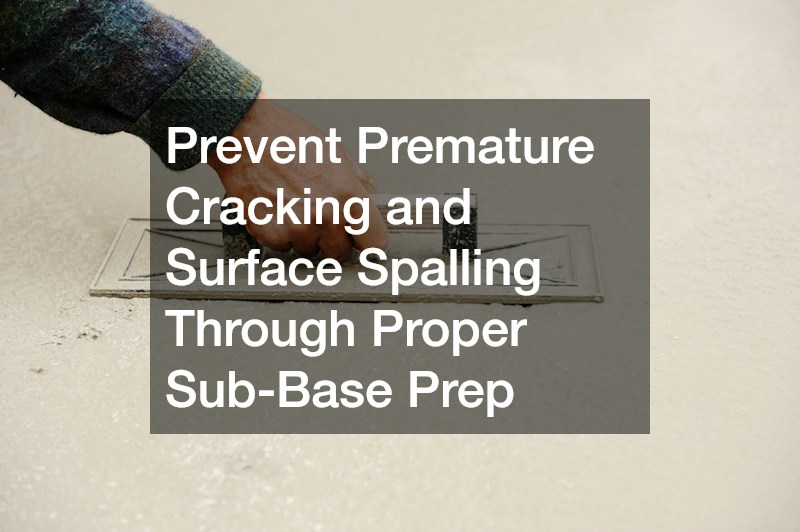
While a poured slab eliminates weeding and re-leveling, poorly installed flatwork introduces random cracking, surface flaking, and sunken corners. Truly low-maintenance hardscaping depends on proper preparation beneath the surface and within the mix design before finishing begins.
Verify that your project includes four engineering safeguards to prevent soil movement and moisture damage:
- Compacted Crushed-Stone Sub-Base: Compacting four to six inches of angular crushed gravel over excavated soil creates a well-draining base that prevents settling and frost heave.
- Internal Steel Reinforcement: Welded wire mesh or steel rebar within the slab holds hairline cracks tightly together so adjacent sections never shift vertically.
- Strategically Placed Control Joints: Saw-cut grooves every eight to twelve feet channel shrinkage stress into straight, clean lines rather than jagged fractures.
- Penetrating Silane-Siloxane Sealers: Breathable penetrating sealers repel water, oil, and de-icing salts without peeling, needing quick roller reapplication only once every three to five years.
Because regional soils and winter temperatures dictate how hardscape mixes perform over decades, vetting local concrete companies carefully pays off. Ask crews about compressive strength—aiming for at least 4,000 PSI in cold climates—and confirm they use air-entrained mixes engineered to withstand freeze-thaw expansion without spalling.
Stop Gutter Clogs and Roof Moss by Pruning Overhanging Canopies
Mature shade trees add beauty and summer cooling to a lot, but limbs growing unchecked over a house generate endless maintenance. Falling leaves and twigs clog roof valleys and gutters, while dense shade traps morning dew that fuels roof moss and algae.
Establishing a proactive canopy management routine breaks this cycle at the source. Rather than waiting until a storm snaps a dead limb onto your roof or forces you onto a ladder every autumn, hire certified tree services every three to five years to reshape your upper canopy. Strategic arborist care focuses on preventative clearances:
- Roofline and Chimney Clearance: Maintaining a six-to-ten-foot buffer from shingles and gutters prevents wind abrasion and blocks squirrels from reaching the roofline.
- Interior Crown Thinning: Removing crowded interior branches lets sunlight and air dry shaded roof planes while reducing storm wind resistance and branch breakage.
- Deadwood Removal: Pruning decaying or crossing limbs removes the main source of falling twigs that litter lawns and clog storm drains.
Shrink Mowing Hours by Swapping Problem Grass for Native Beds and Smart Borders
A sprawling carpet of turfgrass is one of the most labor-intensive features a homeowner can maintain. Weekly mowing, string-trimming, fertilizing, and weeding consume dozens of hours each season—especially on steep slopes or shady yards where grass thins into mud and erodes during downpours.
Auditing your yard and converting high-friction turf zones into self-sustaining planting beds shrinks your weekly chore list. Working alongside knowledgeable lawn care services lets you pair targeted turf treatments on playable lawn areas with smart landscaping conversions elsewhere:
- Drought-Tolerant Turf Blends: Overseeding with deep-rooted tall fescue cuts summer watering needs and crowds out crabgrass naturally.
- Native Perennial Groundcovers: Swapping grass on slopes or shady borders for native perennials eliminates mowing hazards and thrives on natural rainfall.
- Steel or Concrete Mow Strips: Flush metal or concrete curbing creates a clean mower wheel path, eliminating weekly perimeter string-trimming and keeping mulch contained during heavy rain.
Ditch Burnt-Out Bulbs and Disposable Solar Stakes for Integrated Low-Voltage LEDs
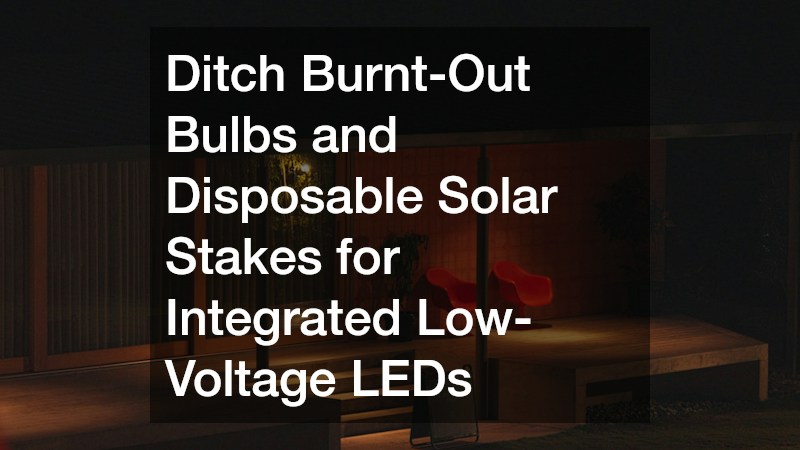
Pathway and architectural lighting improve nighttime safety and curb appeal, yet cheap fixtures create more maintenance than convenience. Plastic solar lights suffer from cloudy lenses and dead batteries within a season, while high halogen floodlights require tall ladders for bulb changes under the eaves.
Upgrading to a commercial-grade, low-voltage lighting system turns exterior illumination into a set-and-forget feature. Professional landscape lighting services design systems around solid cast-brass or copper housings that develop a protective patina and never rust, crack, or peel like painted aluminum or plastic. Three hardware choices ensure decades of reliable performance:
- Integrated LED Modules: Sealed LED fixtures rated for 50,000 hours eliminate corroding bulb sockets and deliver over fifteen years of nightly use.
- Astronomical Smart Transformers: Stainless-steel transformers adjust schedules automatically by geographic sunset and sunrise, eliminating manual timer resets after outages or daylight saving shifts.
- Trench-Buried Direct-Burial Cable: Burying heavy-gauge 12/2 waterproof cable six inches underground protects low-voltage lines from core aerator tines, string trimmers, and shovels.
Eliminate Tangled Extension Cords and Tripped Breakers with Dedicated Exterior Circuits
Modern yards rely heavily on electricity for robotic mowers, pressure washers, patio heaters, landscape transformers, and holiday displays. Older homes with few exterior outlets force reliance on extension cords threaded through doors, causing tripped breakers, sun-rotted cords, and constant coiling.
Adding strategically placed, weatherproof power points around your perimeter removes daily friction and eliminates electrical hazards. Hiring licensed residential electrical contractors to expand your outdoor capacity ensures every new circuit meets National Electrical Code safety standards:
- Dedicated GFCI-Protected Circuits: Dedicated twenty-amp GFCI breakers prevent outdoor tools or damp weather from tripping interior kitchen or garage appliances.
- Weather-Resistant In-Use Bubble Covers: Deep polycarbonate in-use covers seal around plugged-in cords to block driving rain year-round.
- Smart Exterior Switches and Yard Posts: App-controlled switches and weatherproof yard posts let you automate string lights, patio heaters, or water features directly from your phone.
Clear Garage Clutter and Stop Tool Rust with Rot-Proof Backyard Storage
When mowers, wheelbarrows, trimmers, bicycles, and fertilizer bags cram into an attached garage, yard work slows to a crawl. Homeowners waste time shuffling cars out of the driveway just to reach a mower. Bargain wooden sheds or plastic tarps expose engines and blades to rust and rodents while demanding frequent scraping and repainting.
Investing in a dedicated, weather-tight backyard outbuilding organizes maintenance gear at the point of use while eliminating structural upkeep. Custom shed builders construct modern storage structures using engineered, low-maintenance claddings that withstand decades of weather without rotting or warping:
- Engineered Wood and Vinyl Siding: Zinc-borate-treated engineered wood resists rot and termites, while heavy-gauge vinyl siding never needs painting and rinses clean in minutes.
- Compacted Crushed-Gravel Foundations: A framed, well-drained gravel pad keeps floor joists dry and blocks burrowing pests from tunneling underneath.
- Architectural Shingles and Ridge Vents: Architectural shingles paired with soffit and ridge vents prevent summer heat buildup and winter condensation from rusting expensive metal tools.
Protect Sun-Exposed Windows, Trim, and Furniture from UV Fading
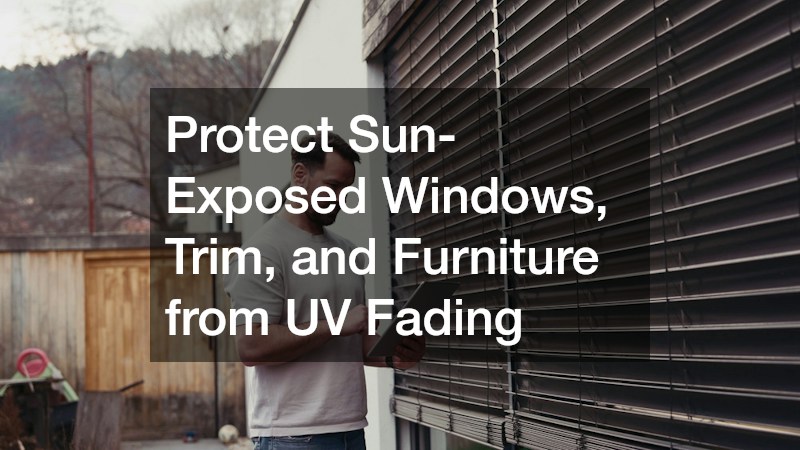
While rain and snow get most of the blame for exterior wear, relentless afternoon ultraviolet radiation is often the most destructive force hitting south- and west-facing walls. Intense heat cracks window glazing, dries out caulking, warps vinyl trim, and fades patio cushions within a single summer while forcing air conditioners to run nonstop.
Installing retractable solar barriers across sun-drenched patios, pergolas, and large windows intercepts harsh rays and wind-driven rain before they reach vulnerable surfaces. High-performance exterior shades woven from PVC-coated fiberglass or polyester solar mesh block up to 90% of UV rays and solar heat gain while preserving outward visibility and airflow. Automated shading delivers immediate maintenance and comfort benefits:
- Cable-Guided and Track-Retained Wind Resistance: Side-retention tracks or stainless-steel guide cables keep fabric taut in breezes, preventing flapping and tearing.
- Motorized Sun and Wind Sensors: Automated tubular motors deploy screens during peak sun and retract them automatically when high winds arrive.
- Effortless Hose-Down Cleaning: Mold- and stain-resistant solar mesh stays crisp with a simple mild soap and garden-hose rinse twice a year.
Transforming an upkeep-heavy property into a self-sustaining retreat does not require tackling every upgrade in one season. Prioritize projects based on two metrics: which recurring chores consume the greatest share of your free time, and which aging exterior components pose the highest risk of water intrusion or structural decay.
Walk around your home’s perimeter this weekend with a notepad. Look closely at peeling paint near damp ground, sagging gutters beneath overhanging branches, cracked walkways collecting weeds, and sun-baked patio spaces you rarely use because they are too hot or covered in pollen. Rank your top two maintenance bottlenecks, research durable material specifications, and gather itemized quotes from qualified local specialists who stand behind their workmanship with written warranties. Every smart upgrade you install today permanently crosses another chore off your calendar—leaving future weekends open for enjoying the home you work so hard to own.